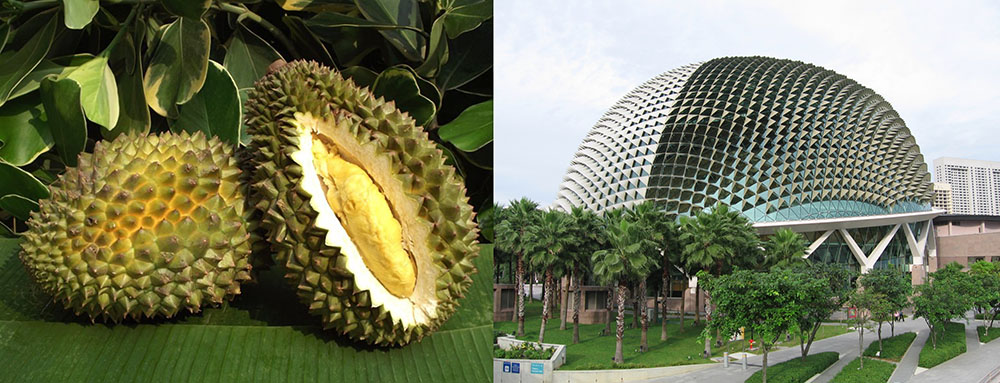
Biomimicry in architecture involves drawing inspiration from nature’s time-tested patterns and strategies to create innovative and sustainable building designs. By studying the efficiency and resilience of natural systems, architects can develop structures that are not only aesthetically pleasing but also environmentally friendly and highly functional. Examples include designing buildings that mimic the cooling mechanisms of termite mounds or utilizing the structural efficiency of honeycombs. This approach leads to the creation of adaptive, energy-efficient, and sustainable solutions that harmonize with their surroundings, ultimately fostering a more sustainable and harmonious relationship between the built environment and the natural world.
Sancar Studio